
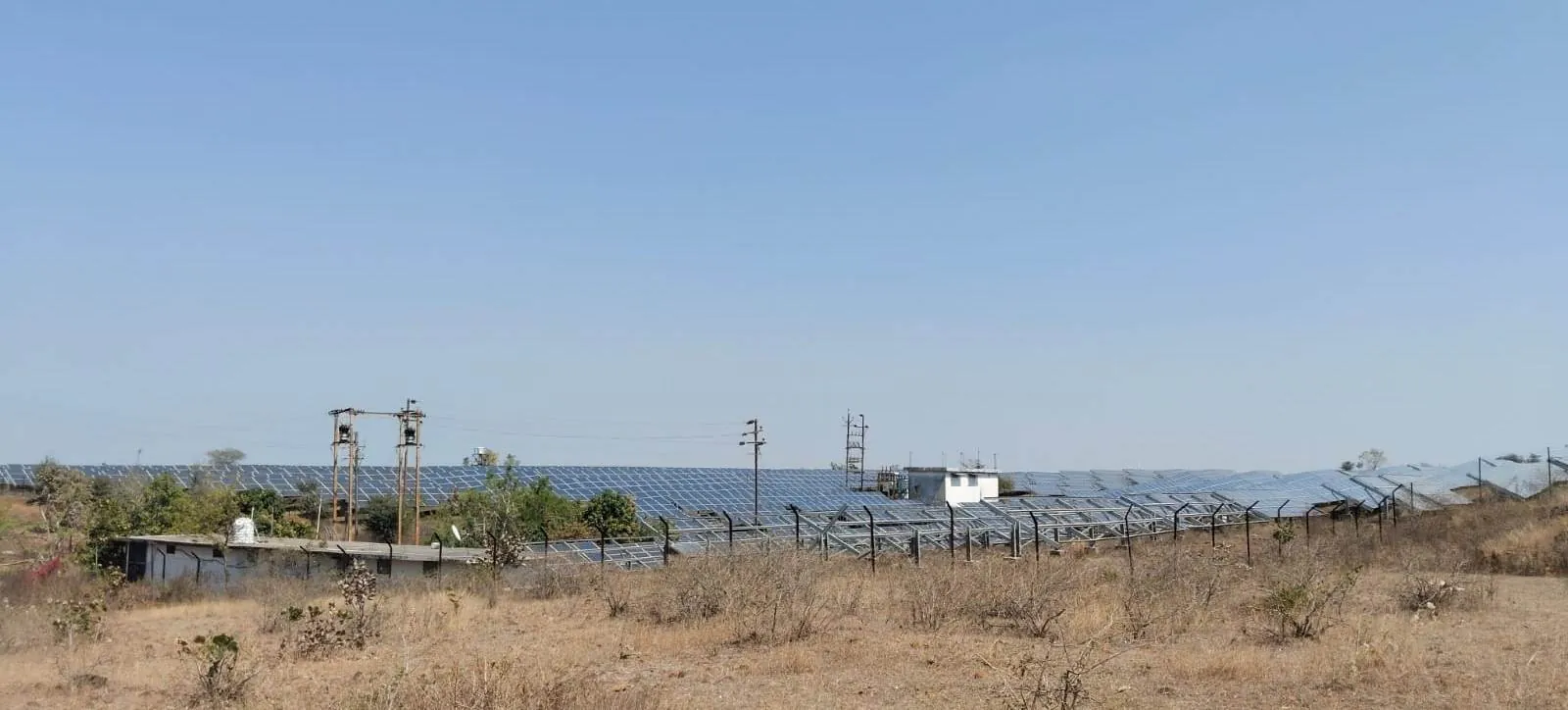
In this article we look at the growing trend of captive solar plants in India, and at how Electricity No Problem helps organisations adopt this sustainable and cost-effective source of energy.
Solar power can be generated on the roof of a building, on the ground, and on still water bodies as floating plants.
What is a captive solar power plant?
A captive solar power plant, or CPP, generates solar energy for self-consumption by a specific entity or group of entities. Plants can be installed on the consumer’s premises, or located remotely and connected through the grid, to serve industrial facilities, commercial buildings or educational institutions. CPPs let organisations reduce their reliance on conventional power, lower energy costs and contribute to environmental sustainability.
The rise of captive solar plants in India
India’s solar power capacity has grown remarkably in recent years, and captive solar plants have played a significant role in this expansion. The trend is driven by a favourable policy environment, falling equipment costs and a growing emphasis on clean energy.
Advantages of captive solar power plants
- Cost savings. Organisations generating their own power save significantly on electricity bills, and achieve long-term stability in energy costs.
- Environmental benefits. Captive plants reduce carbon footprints and greenhouse gas emissions, demonstrating a commitment to sustainability.
- Energy security. Generating power on site reduces dependence on the grid and the risk of outages or supply disruptions.
- Regulatory support. Government policies and incentives, including net metering, make captive plants financially attractive.
Start with a feasibility review of your load, site and regulatory position.
Permissions required
- Registration with the new and renewable energy department
- Permission for grid connectivity from the licensee
- Where the plant is outside the premises, transmission and billing of power through the licensee’s network
- Electrical safety permissions, and compliance with the regulations under the Electricity Act
How ENP helps
ENP supports organisations through every stage of a captive solar project. You can see our work on the projects page.
Consultation and feasibility studies
We assess energy consumption patterns, available rooftop or land area, regulatory requirements and financial viability, and tell you whether a captive plant makes sense.
Design and project management
We design and engineer the plant, prepare the EPC tender, and manage the EPC contractor on your behalf through procurement, installation and commissioning.
Performance and compliance
We help set up performance monitoring and O&M arrangements, and handle the regulatory side: wheeling, banking, REC compliance and captive status. See Captive Power.
In summary
Captive solar power plants have become a transformative choice for organisations seeking sustainable, cost-effective energy in India. With growing solar capacity and supportive policy, they let businesses take control of their energy needs while contributing to a cleaner environment.